25+ ЗЕЛЕНЧУКА СЕДМИЧНО
Днес ви предизвиквам да започнете да добавяте поне 25 различни зеленчука седмично. Лесно е! И е част от моята мисия да предлагам рецепти с високохранителен състав.
Страхотни идеи и хитринки за по-бързо справяне в кухнята с помощта на заготовки:
Домати: белени, нарязани на кубчета и порционирани в торбички. Издържат до следващия сезон
Заготовка за миш-маш: Домат и печена чушка /може и печен патладжан, става и за кьополу/ - нарязани, в найлонови пликове.
Пиле: сварено със зеленчуци и малко сол, обезкостено и замразено на порции за бърза супа /става и за пил.дроб сърма, каша, фрикасе/
Сварената царевица: Оронена с бланширани моркови на кубчета, грах - в найлонови пликове – чудесна заготовка за ориз със зеленчуци
Пушен бекон: когато е голямо парче може да се нареже на тънки филии и да се замрази. Става за завиване на сиренца и кашкавалчета, за печене на скара и т.н.
Яйцата
Те са едни от основните доставчици на животински белтъци и
всички видове незаменими аминокиселини. Яйцата съдържат и голямо количество
мазнини, фосфати и витамини А и Д.
Съхранение
· Пресни яйца съхранявайте в специалните гнезда
на хладилника с острата част надолу.
· Срокът за съхранение на яйца в хладилник е 3 -
8 дни и зависи от това колко са били пресни като ги поставяте там.
· Ако натриете черупките на пресни яйца с масло,
зехтин или глицерин, те ше се запазят по-дълго пресни.
· Ако не можете да използвате в момента счупени
вече яйца, сложете ги в чаша, налейте отгоре студена вода, похлупете с чинийка
и така можете да ги запазите за 2 дни в хладилника, без да изсъхнат.
Нашата кожа е огледало на здравословното ни състояние, но и
на нашия начин на хранене. Колко често забелязвате как храните, които
консумирате ежедневно се отразяват на вашата кожа? А може би, когато видите
някоя нова бръчка, не се замисляте дали менюто ви по някакъв начин допринася за
това. Е, храната влияе върху кожата ни. Така например суровите ядки ѝ доставят
витамин Е, правят я по-сияйна и свежа.
Екскориозата по лозата е широко разпространена в лозарските райони у нас и често се бърка с други болести. Причинителят на болестта екскориоза e гъбата Phomopsis vticola Sacc.
Вторият по важност химически елемент след кислорода.
Трябва да признаем, че обръщаме много повече внимание на
познатите витамини и минерали като Витамин C, B комплекс, Витамин D и калций.
Но какво се случва, ако въпреки редовния прием на витамини, боледуваме често и
за дълго, не се чувстваме добре, имаме болки, умората е осезаема и сме лишени
от тонус? Може би е време да се замислим за нивото на силиций в нашия организъм
и дали то ни е достатъчно.
Ягодовият коренов хоботник (Otiorrhynchus rugosostriatus Goeze) e известен като неприятел по ягодата в България от средата на 30-те години на миналия век, когато площите с тази култура се разширяват. Разпространен е навсякъде и вреди най-много по ягодата, но напада още малина, къпина, шипка, роза, циклама, иглика, лапад и др. културни и диви видове растения.
Възрастното насекомо е удължено овално, с кафяв до черен цвят и дължина 6,5-8 мм. Краката и антените са по-светли. Тялото е покрито с къси кафяво-оранжеви космици, а елитрите са точкувани в надлъжни редове. Яйцето е бледожълто, елипсовидно, дълго около 1 мм. Ларвата е бледожълта до бледорозова с кафява глава, надиплени сегменти на коремчето, дъговидно извита, без крака, дълга 10-12 мм. Какавидата е белезникава и е дълга 5-6 мм.
Д-р Емилова за зрението и храните
Доброто зрение е само един от белезите на доброто здраве.
Пътят за постигането му е не диетата, а комбинацията от стриктно
природосъобразно хранене, активно движение и положителна нагласа към света край
нас.
За жалост, в последните години се наблюдават сериозни поражения на очите при все по-млади хора. Причините се виждат с просто око – стрес, компютри, телевизия, пушене, тъпкане с храни боклуци, обездвижване и в същото време-трайна липса на детокс и антистрес програма.
Вече неведнъж сме говорили по темата за колагена, който е
извор на здраве, младост и красота. Наред с балансираната диета и добрите
навици има още нещо, което можем да направим, за да увеличим процеса по
образуване на колаген, особено след 25-годишна възраст. Този процес зависи и от
редица витамини и минерали, които го подпомагат.
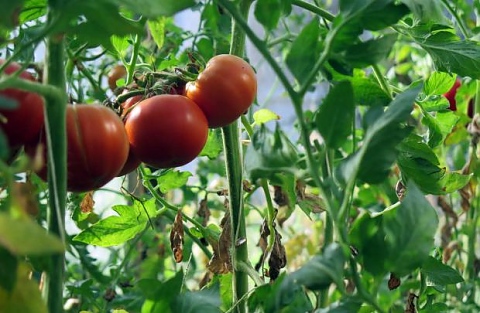
Снимка: Как да си направим разсад на домати?
Отглеждането на силен и здрав разсад на домати е лесно. Достатъчно е да изпълните 9 условия.
Много градинари, особено начинаещи, се оплакват, че разсадът им е слаб, прераства, има блед цвят или е засегнат от болести и вредители. Избягването на тези проблеми е лесно.
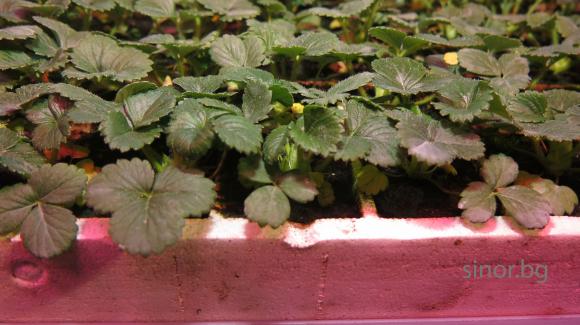
Ягодовите корени, навършили 2 и повече години, задължително се нуждаят от подхранване с минерални торове. Обикновено това се прави на 3 етапа.
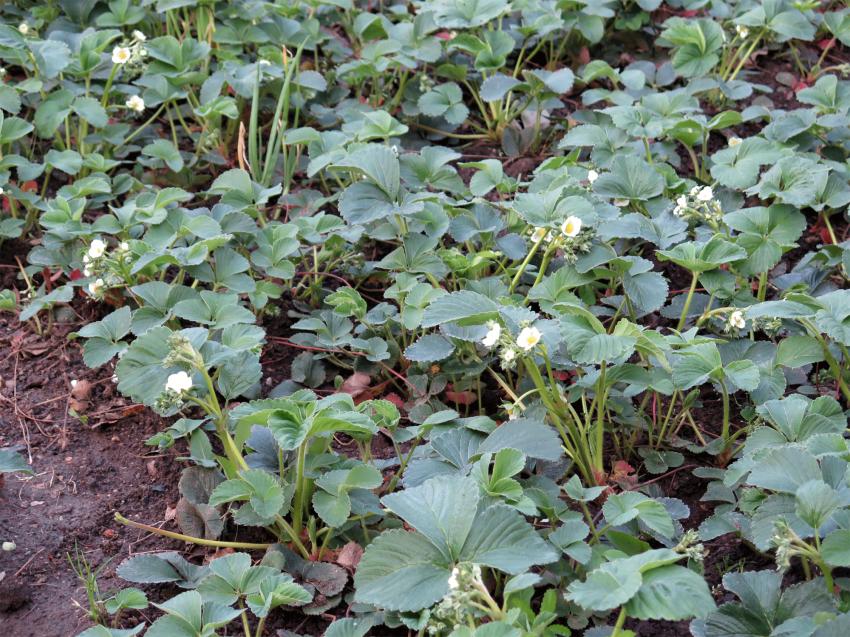
Зимата беше почти безснежна, а пролетните температури се повишиха рязко. Време е да се погрижим за ягодите в градината, за да се радваме на добра реколта. В случая задължително трябва да започнем със следните практики:
Неприятел Препарат Обяснение
Брашнеста мана по ябълка Сяра ВГ 600 г/дка, Солфо 80 ВГ – 750 г/дка или един от препаратите - Систан 20 ЕВ – 0,03 %, Луна Експирианс – 50-75 мл/ дка, Флинт Макс 75 ВГ – 0,02 %. брашнеста
Цилиндроспориоза по листа на череша Силит 544 СК – 125 мл/дка или Карамат 2,5 ЕВ – 300 мл/дка бяла
Листогризещи насекоми, листни въшки, костилкоплодова листна оса, хоботници – Дека ЕК – 30-50 мл/дка, Децис 100 ЕК - 7,5 -12,5 мл/дка, Делмур – 50 мл/дка, Метеор – 0,06 -0,09%
Мъхнатият и миризливият бръмбар са от семейство Листороги бръмбари (Scarabaeidae) и имат сходна биология и морфология. В момента нападат цъфтящите овощни дървесни растения, като по-големи повреди причинява мъхнатият бръмбар. Затова предпазете дръвчетата, за да не се провали плодовата реколта.
Here's a list of the 10 most popular vegetables to grow along with their friends and enemies.
Companion planting is a great way
to maximize the efficiency of your garden. For almost every vegetable you grow,
there is likely to be a beneficial companion plant that will help increase soil
nutrients, chase away pests, and help you get the most out of your garden. Here
are the 10 most popular vegetables grown in the United States and their friends
(and foes) in the garden.
Companion Planting – What Grows Best Next To Each Other
1. Tomatoes
Friends: Basil and tomatoes were made to
go together, not only in sauces but in the garden, too. This herb helps
tomatoes produce greater yields and it repels both flies and mosquitoes.
Marigolds are another good companion, repelling nematodes and other garden pests.
The strong scent of French marigolds (Tagetes) is said to deter whitefly, which is particularly
useful when planted alongside tomatoes in the greenhouse.

Other friends to tomatoes include
asparagus, carrots, celery, the onion family, lettuce, parsley, and spinach.
Foes: Cabbage, beets, peas, fennel,
dill, and rosemary. Corn and tomatoes both suffer from the corn earworm, and
tomatoes and potatoes are affected by the same blight, so keep these plants
separate to prevent the spread of pests or disease.
2. Peppers
Peppers and basil are good
companion plants.
AD
Friends: Basil is a good friend to
peppers, helping repel aphids, spider mites, mosquitoes, and flies. It’s also
thought that basil improves the pepper’s flavor. Other good companions include
onions, spinach, and tomatoes.
Foes: Beans so the vines don’t
spread among the pepper plants.
3. Green Beans
Friends: Corn and beans grow well together
because beans will grow up the cornstalks, which means you won’t have to build
them a trellis. Beans also fix nitrogen in the soil, which is good for the
corn. Marigolds, nasturtiums, rosemary, and summer savory repel bean beetles,
and summer savory improves growth rate and flavor. Other companions include
broccoli, Brussels sprouts, and other members of the cabbage family along with
cucumbers, peas, potatoes, and radishes.
Foes: Beets or anything from the
onion family. Onions, in particular, impede the growth of bean plants.
4. Cucumbers
Friends: Plant marigolds and nasturtiums
among your cucumbers to repel aphids and beetles,. Beans, celery, corn,
lettuce, dill, peas, and radishes are also good companion plants.
Foes: Aromatic herbs such as sage
which will stunt the growth of cucumbers.
5. Onions

Friends: Carrots should be planted near onions because onions will repel the carrot fly. Onions will also chase away the aphids, so plant them near aphid-prone (but onion-friendly) veggies. Other good friends of onions include beets, cabbage, carrots, lettuce, parsnips (which also suffer from carrot fly), tomatoes, and spices like marjoram, savory, and rosemary.
Foes: Asparagus, beans, and
peas.
6. Lettuce
Friends: Plant mint among your lettuce
to keep away the slugs that feed on lettuce leaves, or plant chives and
garlic to repel aphids. Beans, beets, broccoli,
carrots, corn, peas, radishes, and marigolds also work as good
companion plants. Marigolds attract aphid-eating ladybugs.
Foes: Parsley, because it
tends to grow into a small yet bushy plant and can crowd your lettuce.
7. Summer Squash/Zucchini
Friends: Corn and squash make
good companion plants since the cornstalks give squash vines a place to grow.
Squash also does well planted alongside beans, peas, radishes,
dill, and marigolds. Calendula is extremely attractive to pollinators, and can therefore increase
pollination of some vegetable crops. Underplanting courgettes with calendula can be
extremely useful, especially in dull weather, when courgette flowers may be
overlooked by pollinators.
8. Carrots
Friends: Carrots are heat
sensitive, which is why they go well with tomato plants that can provide them a
bit of shade. Tomatoes are also known to produce solanine,
which is a natural insecticide that targets pests affecting carrot plants.
Tomatoes benefit from carrots, too. Carrots aerate the soil around the roots of
the tomato plants, allowing more air and water to reach the roots. Leeks and
carrots are also good companion plants since leeks repel carrot flies
and carrots repel leek moths and onion flies. Rosemary, sage, and
chive also help repel carrot flies.
Foes: Coriander and dill,
as they both produce compounds that can harm carrot plants, and parsnips suffer
from the same diseases and pests as carrots, so keep them apart to minimize a
potential infestation.
9. Radishes
Friends: Radishes can be planted among cucumbers to attract cucumber beetles away from the cukes. They also do well among carrots because they are harvested before the carrots and they loosen the soil as the carrots start to take off. Onions, beets, cabbage, kale, lettuce, spinach, and squash are also good friends for radishes.
Foes: Hyssop.
10. Sweet Corn
Friends: Corn loves veggies that fix
nitrogen in the soil—like green beans. Cornstalks also make a great trellis for
vining or trailing plants including beans, cucumbers, peas, pumpkins, and
melons. Zucchini is a good companion plant when planted among corn.
Foes: Tomatoes, as they and corn
are attacked by corn earworms. Plant these two far apart to minimize the spread
of these pests.
11. Potatoes
Friends: Potatoes are allies with
beans, cabbage, eggplant, peas, and corn. Marigolds planted near potato patches
help deter beetles and horseradish will provide overall protection to potatoes.
Foes: Tomatoes as they are prone to
blight, which can also affect potatoes.
12. Peas
Friends: Peas love to be planted by beans,
carrots, corn, cucumbers, radish, and turnip. If you plant mint near peas, they
should be healthier and tastier. Chives planted near peas also help deter
aphids.
13. Beets
Friends: Beets grow well next to bush beans,
cabbage family plants, lettuce, and onions. Plant them near garlic and they
will taste even better.
Foes: Pole beans stunt beets growth
and vice versa.
Plants
thought to be foes
There's no science to confirm or deny allelopathic
properties in plants, and much more research needs to be done but, anecdotally,
the following plants are thought to not grow well together:
Source: https://www.farmersalmanac.com/companion-planting-guide
We list 10 companion planting combinations to grow, in the garden and the
vegetable plot.
What is companion planting?
Companion planting is an organic method of maintaining
a natural balance in your garden by
growing plants together that are mutually beneficial. Planted together, certain
plant combinations can aid pollination, prevent disease and keep pest numbers
down. Most companion plants are strongly scented and can confuse pests looking
for their host plant, some have antibacterial or anti-fungal properties, while
others attract beneficial insects, such as ladybirds and lacewings, which prey
on aphids. Most companion planting occurs in the vegetable patch, but some
ornamental plants, such as roses, can also benefit from particular plants
growing nearby.
Common plant combinations include
growing nasturtium to deter aphids from beans, and planting alliums around
carrots to ward off carrot root fly.

What are the benefits of companion planting?
Companion planting can help your
plants to grow better and with fewer pests and diseases. Ultimately this
benefits the gardener as this means less work for higher crop yields.
Plant combinations to avoid
There are some obvious plant
combinations to avoid, for example you should avoid planting tall plants next
to shorter plants, as they will block light and prevent them from growing well.
Growing thirsty plants next to drought-tolerant plants is also not advised, as
one plant will either be getting too much water, or too little.
Some plants appear to have what's
known as allelopathic properties. This means that the plants release chemicals
that inhibit growth of other plants. One of the most commonly known plants
thought to be allelopathic is the walnut tree – it's commonly advised not to
grow plants close to walnuts as they won't thrive. However, this theory has
been disputed in horticultural circles and it's not known for certain how
allelopathic walnut trees really are.
There's no science to confirm or
deny allelopathic properties in plants, and much more research needs to be done
but, anecdotally, the following plants are thought to not grow well together:
Browse our list of the best
companion plant combinations, below.
Mint and brassicas
Marigolds and tomatoes
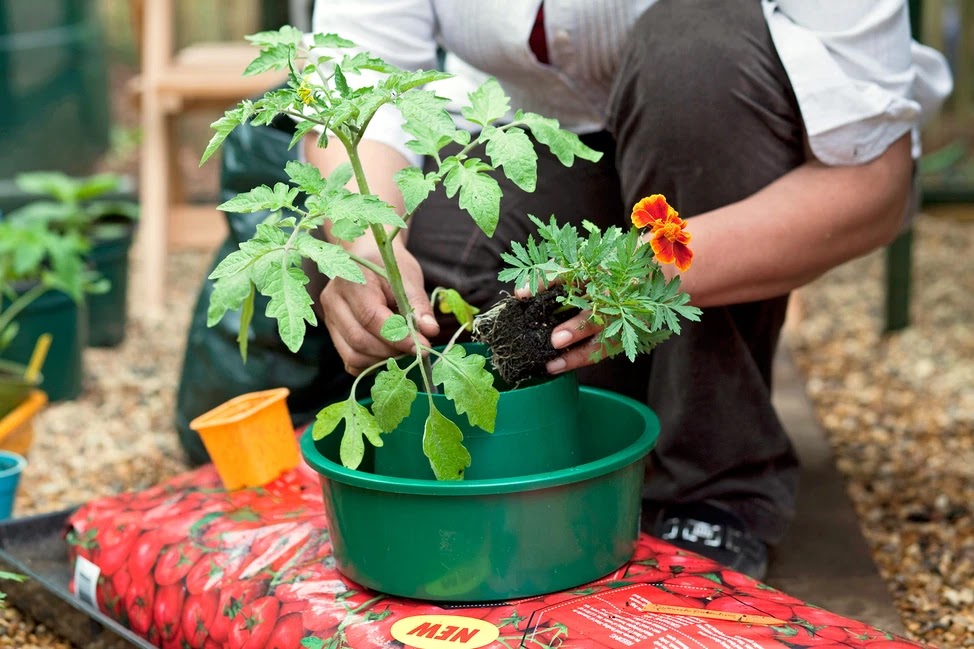
The strong scent of French marigolds (Tagetes) is said to deter whitefly, which is particularly useful when planted alongside tomatoes in the greenhouse.
Carrots and leeks

Strongly scented crops can work wonders on the vegetable patch. Alliums such as onions, garlic and leeks are often paired with root crops like carrots and parsnips. This combination seems particularly effective – the smell of carrots can deter leek moth from leeks, but the small of leeks can deter carrot fly from carrots. If you don't have room for leeks, try garlic chives (Allium tuberosum) as an alternative.
Lavender with carrots and leeks
Lavender attracts a range of pollinators, including
bees, butterflies and hoverflies, so planting it close to crops such as
tomatoes and beans could increase numbers of pollinators to your patch.
However, its strong scent can also deter insect pests – plant with carrots and
leeks for the best results.
Wormwood and beans

Wormwood, Artemisia absinthium, is a
strongly scented herb that can deter aphids such as blackfly, from broad beans
and other bean crops. What's more, its yellow flowers attract hoverflies,
lacewings and ladybirds, which prey on aphids.
Calendula and beans
The marigold, Calendula officinalis, can lure
aphids away from beans, and makes a great companion plant for runner beans and
French beans. It also attracts beneficial insects, including ladybirds,
lacewings and hoverflies, which prey on aphids.
Sage and brassicas

Sage, Salvia officinalis, is strongly scented and will confuse pests of brassicas, such as flea beetle, if planted alongside them. What's more, its blue flowers attract bees and hoverflies, which also pollinate crops.
Borage and strawberries

Borage is an
attractive plant with hairy leaves that have a slight cucumber flavour. If
planted near strawberries, borage is said to improve their flavour. What's
more, borage flowers are a magnet for pollinators, such as bees, butterflies
and hoverflies, which pollinate crops.
Thyme and roses

Another strongly scented herb, thyme is an excellent companion plant as it can confuse pests by masking the scent of the pest's host plant. Thyme makes a good companion plant for roses, as its strong scent deters blackfly.
Calendula and courgettes
Calendula is extremely attractive to pollinators, and can therefore increase pollination of some vegetable crops. Underplanting courgettes with calendula can be extremely useful, especially in dull weather, when courgette flowers may be overlooked by pollinators.

![MultipartFile resource [file_data]](https://www.plant-protection.com/assets/img/articles/xanthomonas-campestris-6.jpg)
![MultipartFile resource [file_data]](https://www.plant-protection.com/assets/img/articles/%D0%BC%D0%B8%D1%80%D0%B8%D0%B7%D0%BB%D0%B8%D0%B2-%D0%B1%D1%80%D1%8A%D0%BC%D0%B1%D0%B0%D1%80.jpg)
